Self Studying a Classical Education for the Future

Novus homo, Latin for “new man,” fittingly describes the famous Marcus Tullius Cicero. Once a boy too weak and frail to even be considered for military service, the traditional route to Roman prestige, Cicero devoted himself to becoming dangerously intelligent in the pursuit of goodness. He immersed himself in a Classical education, studying philosophies such as Platonism, Stoicism, and Epicureanism. He studied rhetoric, mastering the craft of argumentation. Ultimately, he ascended the ranks of the rigid Roman aristocracy, becoming a presiding member of the senatorial elite and a voice for Rome.
Just as Cicero cultivated and weaponized his learning, so too can modern readers. The impact of this education is twofold:
An education that cultivates certain dispositions, teaching us to recognize beauty and goodness - C.S. Lewis describes his perspective as an educator:

My own experience as a teacher tells an opposite tale. For every one pupil who needs to be guarded from a weak excess of sensibility there are three who need to be awakened from the slumber of cold vulgarity. The task of the modern educator is not to cut down jungles but to irrigate deserts. The right defence against false sentiments is to inculcate just sentiments. By starving the sensibility of our pupils we only make them easier prey to the propagandist when he comes. For famished nature will be avenged and a hard heart is no infallible protection against a soft head.
C.S. Lewis, The Abolition of Man
Evidently, Lewis champions an educational approach of instilling strong moral values. Generally, this contradicts the modern style which teaches students how to think, essentially giving them the tools to form their own opinions.
An education that builds a formidable intellectual competency so we can enact our vision of goodness - Cicero himself describes the role of this intellectual skillfulness, particularly in the context of oration and public speaking:
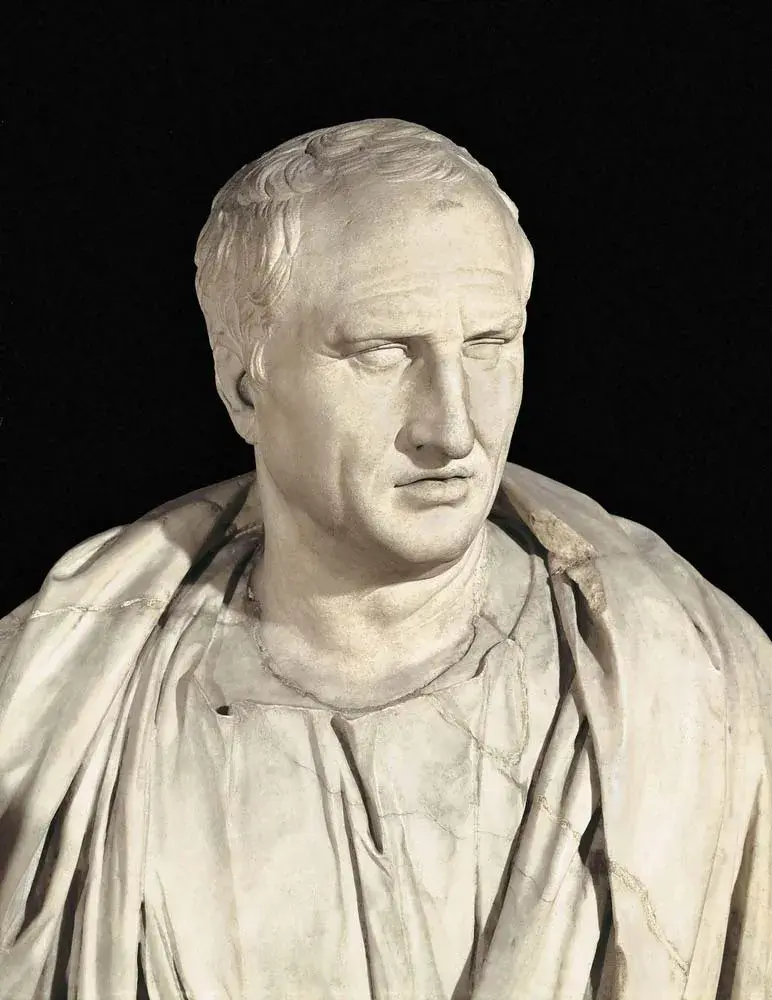
“Actually, I think nothing is more admirable than being able, through speech, to take hold of human minds, to win over their inclinations, to drive them at will in one direction, and to draw them at will from another. It is this ability, more than anything else, that has ever flourished, ever reigned supreme in every free nation and especially in quiet and peaceful communities. What could be so wonderful as when out of an infinite crowd one human being emerges who – alone or with very few others – is able to use with effect the faculty that is a natural gift to all? Or what is so pleasing to the mind and to the ear as speech distinguished and refined by wise thoughts and impressive words? Or what so powerful and so splendid as one man’s speech transforming the impulses of the people, the scruples of jurors, or the authority of the Senate? Again, what is so regal, so generous, so magnanimous, as lending aid to those in distress, raising up the afflicted, offering people safety, freeing them from dangers, saving them from exile? At the same time, what is so vital as always having the weapons available with which you can shield yourself and challenge the wicked or take revenge when attacked?”
- Marcus Tullius Cicero, De Oratore, Translated by James M. May
Across all time periods, people seem to reach the same conclusion: that a morals are central to an education. The following are recommended books to add to your reading list:
Literature


Philosophy


Economics


History


